There's no time like the present


Hi there,
Here in London it's been cold, wet, windy and dark, and I've caught myself daydreaming about Spring: morning runs, eating outside, long evenings on the balcony.
The trouble is, that's still months away. I'm also quite literally counting down the days until I fly to Tokyo next month.
Noticing how much of my attention was parked in the future got me thinking about our relationship with time. So this month, across two podcast episodes, I've looked at it from both directions: getting stuck in the present, and living in the future. They're different traps, but they share a common way out.
Being in the moment isn't the same as being present
We're often told to 'live in the moment'. But think back to the last time you put off an important task for something easier, snoozed the alarm, or said yes to another meeting because it felt easier than saying no. You were certainly in the moment. But were you present?
Psychologists call that pull present bias: the tendency to give more weight to rewards that arrive sooner, even when a bigger payoff is available later. At work, it shows up as procrastination, skipping rest, putting off a difficult feedback conversation, or spending the whole morning in your inbox without ever actually deciding to.
Mindful presence can look similar from the outside, but it feels very different from the inside. Present bias is automatic: the urge makes the decision for you. Mindful presence is chosen: you notice the urge, and you decide where to put your attention, guided by what matters to you. Both are 'in the moment'. Only one is chosen.
To be clear, choosing the immediate option isn't always a problem. Deciding at 7pm that your presentation is as ready as it's going to be, then switching off to enjoy a film, is valued rest. Scrolling until midnight to avoid thinking about it is something else entirely!
The future is a good place to visit...
...but I wouldn't want to live there. If present bias is being captured by the now, the opposite trap is living somewhere that hasn't happened yet. Planning, goals and anticipation are all genuinely useful. The difficulty starts when the future becomes the place where we keep our focus. In my latest episode, I explore three ways this happens.
1. 'I'll be happy when...' The 'Arrival Fallacy', a term coined by Tal Ben-Shahar, is the belief that reaching a goal will bring lasting happiness. 'When I get the promotion, then I'll relax.' The goal is met, the delight is brief, and our attention moves on to the next target. This isn't an argument against goals. It's a reminder to value the journey as well as the destination.
2. Predictions. We're constantly forecasting how future events will make us feel, and research on affective forecasting suggests we often overestimate how strongly and for how long they'll affect us. That applies to the things we dread as well as the things we look forward to. The end-of-year review, the financial year end, a valued colleague moving on: we can spend weeks living through imagined versions of them. Sometimes this tips into what I call playwriting: scripting detailed scenes, soap-opera style, for conversations that may never happen.
3. Wishing time away. 'Roll on Friday.' 'I just need to get to January.' Wishing a stretch of time away keeps our attention on the clock. More importantly, wishing a dull stretch away means wishing away the days inside it - and all the potentially wonderful and meaningful things they contain.
There's no time like the present
The common thread in both episodes is attention: noticing where your focus is and, when it isn't where you'd like it to be, gently bringing it back to the here and now. A few things to try in the month ahead if you're aware of how much your wandering focus is getting in the way:
- Notice the pull. Catch the 'when/then' and 'I just need to get to...' thoughts, and label them: 'There's the arrival fallacy again.' A thought is a thought, not a fact. Labelling helps you see it as a passing mental experience.
- Pause before the easy option. When you feel the tug of the inbox, the phone or the 'not right now', pause and ask yourself what you'll wish you had done by the end of today.
- Plan it, park it, come back. Give the future a defined slot, such as a planning session or a note, then return your attention to the task or person in front of you. I keep a note for each upcoming trip, and it does wonders for my focus.
- Arrive on purpose. When you reach a goal, pause before setting the next one. Name what it took and who helped. I build this into my weekly review, looking back for some wins to appreciate before looking ahead.
- Check your forecasts. Before something you're dreading or craving, jot down how you expect to feel. Afterwards, compare. You may be surprised by the difference.
- Make waiting workable. Look for the small things worth attending to now, rather than counting down. For me this winter, that's getting my winter clothes out of storage, seasonal treats, catching up on the TV I shelved while travelling in the summer, and the winter lights.
A challenge for the month ahead: pick one stretch you'd normally wish away, and give it one deliberate minute of attention each day.
🎧 Find out more
To learn more about these forms of mental time-travel, check out this month's podcast episodes:
- Ep 234: Mindful presence vs stuck in the present. Why being in the moment isn't the same as being present, and how present bias differs from mindful focus.
- Ep 236: The future is a good place to visit. The arrival fallacy, our unreliable predictions and wishing time away, plus six ways to keep the benefits of looking ahead without losing the present.
Last call: 'After Hours... with Dr Hayley Lewis', Monday 30th November
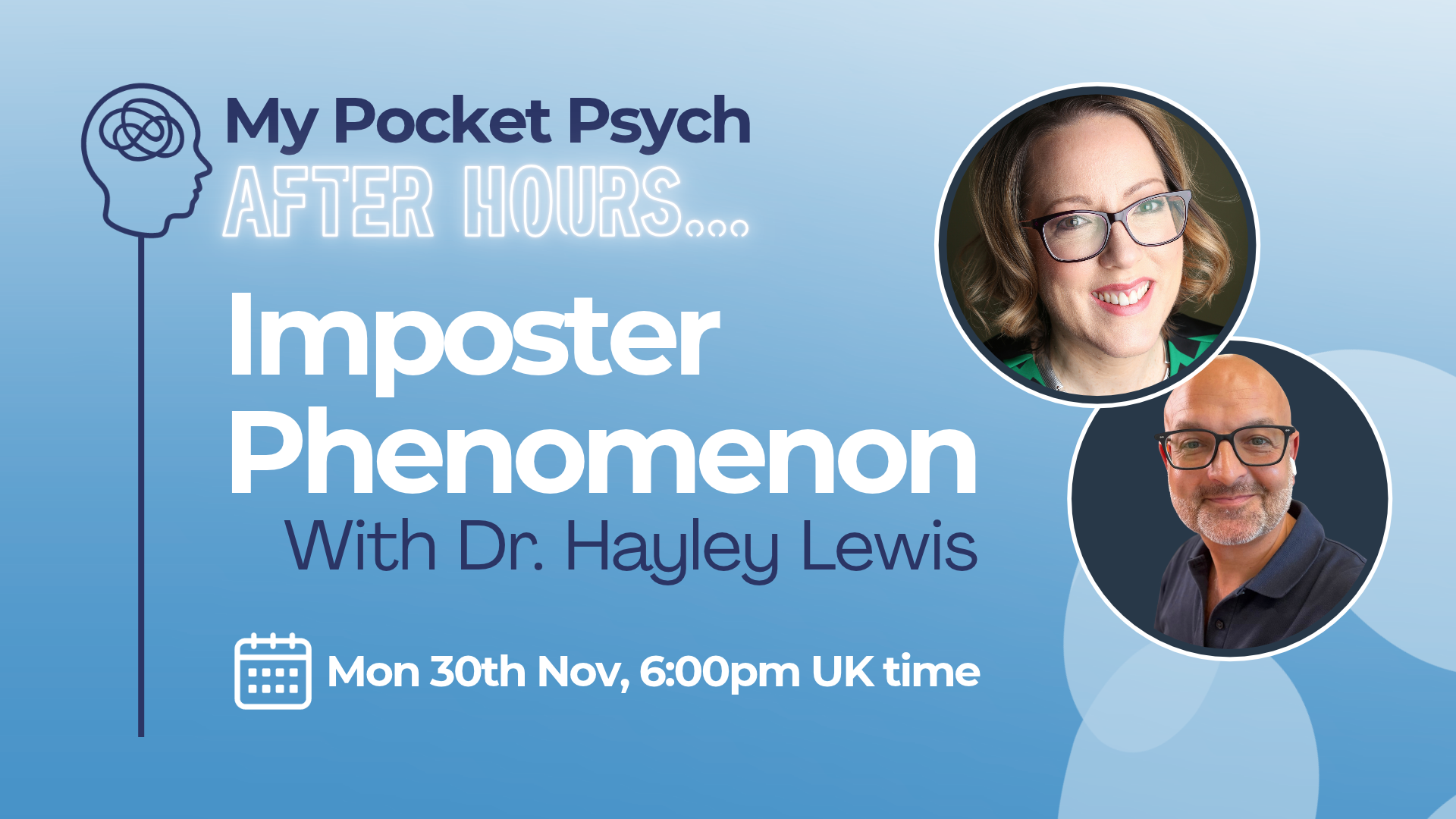
There's still time to join us! Dr Hayley Lewis, my guest on Ep 228, is back for our quarterly 'After Hours' session on Monday 30 November at 6pm UK time, answering your questions about imposter phenomenon.
The session is exclusive to members of WorkLifeSpark, our online personal development community. Membership is free, you can submit your questions in advance, and the recording will only be available to community members.
Before you go
If you notice that the next milestone, the next quarter or the next holiday is where you're keeping your focus, coaching can help you reconnect with what matters now.
You can book a free chemistry session to see whether one-to-one coaching is right for you. And do get in touch if you'd like to explore how these themes could be built into your organisation's wellbeing or leadership programmes.
As ever, thank you for reading. And whatever the weather, enjoy the present.