What's masking your procrastination?


Hi there,
Our community focus for March was on the evergreen topic of procrastination. It's something I've supported clients with since my earliest days of working as a coach, and is one of the most common topics I receive questions about. Which I think speaks both to its prevalence but also the extent to which it's misunderstood. One of those common misunderstandings is about just how hidden our procrastination can be.
Hidden procrastination?
One aspect of procrastination which I think gets far too little attention is the procrastination that's masked as something completely different. This mask lends it an air of credibility - desirability, even - hiding its deeply unsustainable long-term impact on both the procrastinator and those around them.
I want to talk about four ways these masks show up and explain what's unhelpful about each.
1. "I need to do more research" 🧐
When faced with a difficult choice, many people want to explore their options rather than just go with their gut. Being intentional and mindful about decisions is of course helpful. But only if we're honest that the research we're conducting will improve the quality of our eventual decision, and not simply push it into the future. I've had clients who've taken literally years to decide on which fridge, bike or car to buy. I've had clients who delay family holidays because of their 'research' into different destinations. You can imagine the friction and unhappiness this causes.
Noting the difference between research and procrastination is a matter of honesty and clarity. Honesty that we're avoiding the decision and clarity on what it is about the decision we're trying to put off. It's frequently about avoiding the 'wrong' option. "If I never make the decision, I can never get it wrong" is the misplaced logic that needs challenging.
2. "I'm too busy" 🔥
Not many of us have hours and hours of working time each week where we've basically nothing to do. So it's easy to use the mask of 'busy' to hide all the things we're not doing due to procrastination. As I said in my earlier blog post, we procrastinate when we introduce irrational delays, to meaningful tasks, with meaningful consequences.
So if we're 'busy' on the inconsequential tasks in our in-box, while pushing those meaningful (but uncomfortable) tasks into the future of our already cluttered schedule, it can serve as a shield against any criticism of inaction or laziness. I mean, who isn't 'busy' at work? It's almost an automatic response to any inquiry about how we're doing.
But procrastination isn't about doing nothing. It's about not doing the stuff that truly matters. So again, we need to be honest that we're putting our time and attention into things that could easily wait. And be clear on why meaningful and important tasks are getting pushed to the bottom of our lists.
3. "I work better under pressure" ⏳
My clients often present their procrastination as a well-crafted and intentional method for getting things done. Their logic hinges on the false belief that panic under the threat of an impending deadline will improve the quality of their output. Yes, they'll get the task done - but will it be as good as if they'd given themselves more time? And is it getting done at a cost to their wellbeing, their mental health or their organisational reputation?
"I work better under pressure" rarely stands up to scrutiny in a coaching session, illustrating just how flimsy this mask is. Chronic procrastinators tend not to give themselves the opportunity to compare approaches to deadlines, relying on adrenaline-fuelled panic over thought-out and planned delivery.
4. "People appreciate the effort I put in!" 🎉
As with many of our experiences at work, procrastination can also be a symptom of the system we're in. If we pull out all the stops, and loudly share how hard and how late we've been working to meet the deadline, at least some of our colleagues may react positively. They'll admire the dedication, the passion. They may not ask the awkward questions about delays that a coaching psychologist might. And in affirming the noise, they reinforce the procrastination as an admirable approach.
Yes, the admiration can be very welcome indeed. But what does continued all-nighters do to our organisational reputation? And what is it about our working style that means every deadline is a panic of (very public) effort?
It's a habit, not a lifestyle
None of this is to shame any readers! But to illustrate just some of the ways the stories we tell ourselves can mask our procrastination. And to point to the fact that procrastination is best thought of as a habit - one we can replace - rather than a concrete, unbending aspect of our identity.
Check out our approach to coaching to learn more about how working with a coach could be just what you or your colleagues need to beat the procrastination habit once and for all.
A month of reflection
Next month, we'll turn our attention to the topic of reflection. We're going to look at the contribution intentional reflection can make to our self-awareness, our learning and our performance at work. We'll also explore the crucial contribution of feedback and how to conduct regular personal reviews to maximise our learning.
So keep an eye on the podcast and blog for some content to guide your reflection and to inspire you to pick up a pen.
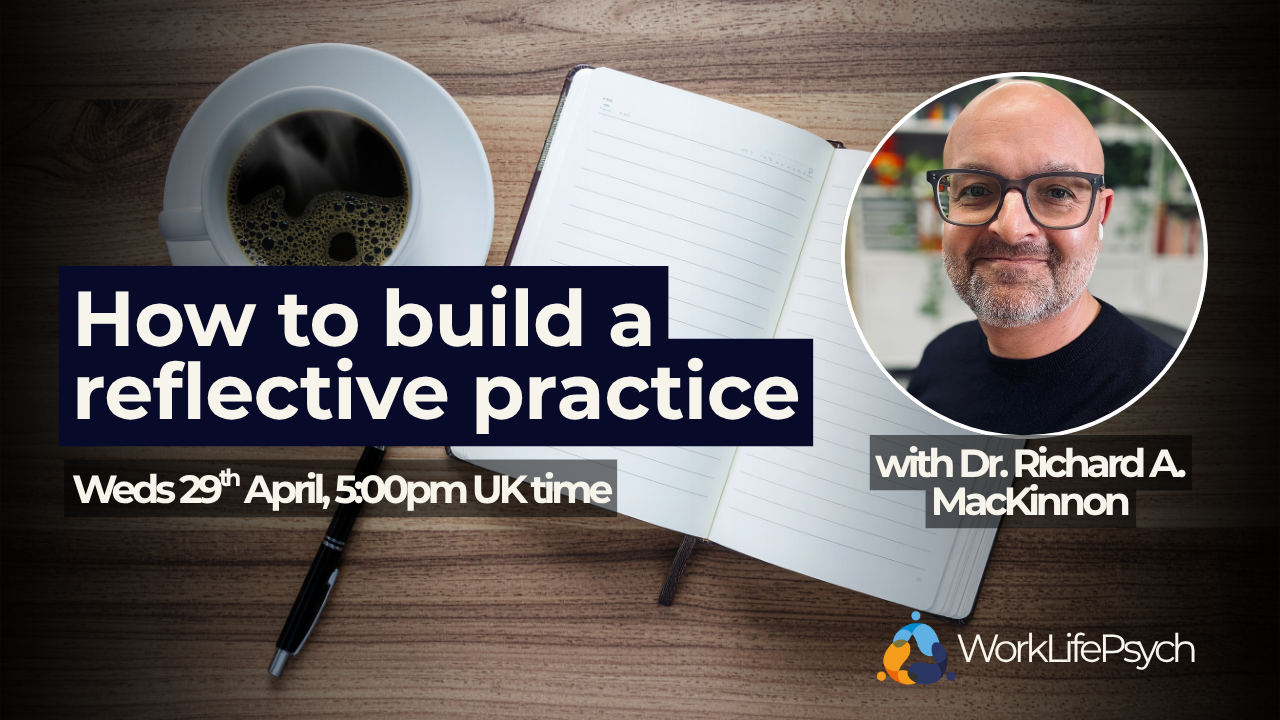
Then, on April 29th, I'm going to be facilitating a masterclass on developing the habit of reflection. I'll be exploring useful models, tools, and habits, while also busting a few common myths and misunderstandings.
Thanks for reading - see you next month!